Buy-to-let properties for sale can still work in the UK, but the margin is tighter than it used to be. Before buying, check the local rent, net yield, mortgage rate, stamp duty, tax position, service charges, repairs, licensing, and exit value. A cheap property is not always a profitable rental.
| Key point | Quick answer |
| Main goal | Buy a property that produces reliable rent after costs |
| Best first metric | Net rental yield, not headline rent |
| Key buyer cost | Stamp Duty Land Tax plus the additional-property surcharge |
| Current surcharge issue | Buy-to-let properties for sale in England and Northern Ireland usually pay higher SDLT rates on additional dwellings |
| Mortgage factor | Buy-to-let mortgage rates and lender stress tests can reduce profit |
| Tax issue | Residential landlord finance-cost relief is restricted to basic-rate tax relief |
| Legal checks | Lease, covenants, safety rules, licensing, and tenancy compliance |
| Main risk | Buying a property that looks cheap but has weak demand, high costs, or resale problems |
| Best next step | Run the numbers before viewing, then verify rent locally |
What Should You Check Before Buying Buy-to-Let Properties for Sale?
When looking at buy-to-let properties for sale, start with the numbers: purchase price, expected rent, mortgage costs, stamp duty, taxes, repairs, insurance, void periods, and management fees. Then check tenant demand, local resale value, lease terms, legal restrictions, and landlord obligations before making an offer.
That order matters. Many new investors fall in love with the asking price first. A better approach is to treat the property like a small business. It needs income, costs, risk checks, and an exit plan.
For more money and investment explainers, readers can browse Readvanta’s Finance section.
Are Buy-To-Let Properties Still Worth Buying?
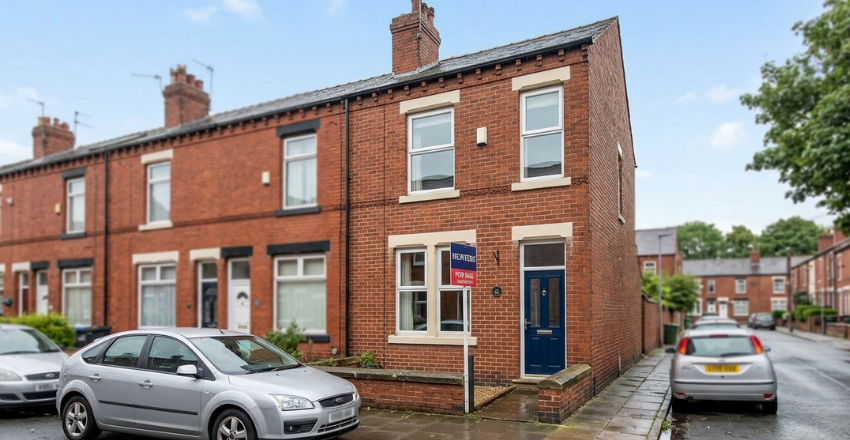
Buy-to-let can still be worth it, but it is no longer a simple “buy, rent, and wait” strategy. Higher mortgage rates, tax changes, higher stamp duty, and tighter rental rules mean investors need stronger due diligence.
Mortgage costs are one of the biggest changes affecting buy-to-let properties for sale. Money Week reported in July 2026 that UK mortgage rates had fallen from recent highs, with the average two-year fixed rate at around 5.48%, and that buy-to-let rates had also eased slightly. The same report warned that borrowers should not assume rates will keep falling.
Rental demand continues to support the sector in many areas. Reuters reported that RICS data for June 2026 showed tenant demand strengthening, while landlord instructions remained negative. RICS also expected rents to rise by about 2.5% over the coming year.
That mix creates opportunity and risk. Strong demand can help landlords, but higher financing and compliance costs can quickly erode profits.
How to Find Buy-To-Let Properties for Sale?
You can find buy-to-let properties through several routes:
- Main property portals such as Rightmove, Zoopla, and OnTheMarket.
- Local estate agents who know landlord-heavy streets.
- Auction houses for renovation or problem properties.
- New-build investment agents selling completed or off-plan units.
- Portfolio sellers where landlords are exiting the market.
- Commercial-to-residential opportunities if planning and finance work.
Do not rely on the listing of headlines alone. “Ideal investment” can mean the property is already tenanted, but it can also mean the seller thinks an investor will overlook problems. Before booking viewings, ask for
- Current or estimated rent
- Tenancy status
- Energy Performance Certificate rating
- Service charge and ground rent
- Lease length, if leasehold
- Council licensing rules
- Recent repair history
- Local comparable rents
- Reason for sale
Readers reviewing lease terms or title limits should also read Readvanta’s Restrictive Covenants guide, which explains how property restrictions can affect use, value, and future development.
How to Calculate Buy-to-Let Rental Yield?

Rental yield shows the rent compared with the property price. It is useful, but only if you calculate it properly.
Gross yield formula
Annual rent ÷ purchase price × 100 = gross yield
Example
| Item | Amount |
| Purchase price | £180,000 |
| Monthly rent | £950 |
| Annual rent | £11,400 |
| Gross yield | 6.33% |
That looks decent, but it is not the real return.
Net yield formula
Annual rent minus annual costs ÷ total purchase cost × 100 = net yield
Example:
| Item | Amount |
| Annual rent | £11,400 |
| Letting agent and management | £1,140 |
| Insurance | £300 |
| Repairs and maintenance | £1,000 |
| Void allowance | £950 |
| Service charge or ground rent | £900 |
| Net income before mortgage and tax | £7,110 |
Now compare that with the mortgage, tax, and purchase costs. The deal may still work, but the margin is far lower than the gross yield suggested.
Stamp Duty on Buy-To-Let Properties

Stamp duty can change the deal before you even collect rent. UK government says Stamp Duty Land Tax applies on increasing portions of the price when you buy residential property in England or Northern Ireland. The amount depends on the purchase date, property price, and whether relief or exemptions apply.
Buy-to-let buyers usually pay higher rates for additional dwellings if they already own another property. UK government also says non-UK residents can face a 2% surcharge on top of other residential SDLT rates.
Because SDLT rules vary by country, always check the right system
| Location | Property tax system |
| England and Northern Ireland | Stamp Duty Land Tax |
| Scotland | Land and Buildings Transaction Tax |
| Wales | Land Transaction Tax |
Do not use an old calculator from a blog without checking the date. Surcharges and thresholds can change, and an incorrect stamp duty estimate can turn a profitable deal into a weak one.
Buy-To-Let Mortgage Checks
A buy-to-let mortgage is not assessed the same way as a standard residential mortgage. Lenders usually focus on expected rent, stress-tested interest cover, your deposit, your income, and your landlord experience.
In 2026, rates are still much higher than the ultra-low mortgage era. HomeOwners Alliance listed buy-to-let mortgage rate examples in July 2026 and noted that the best deal depends on the borrower’s own circumstances.
Before you make an offer, ask a broker to model:
- Loan-to-value options
- Fixed versus tracker rates
- Product fees
- Stress-test rent requirements
- Interest-only versus repayment
- Limited company versus personal ownership
- Early repayment charges
- Remortgage risk after the fixed period
The cheapest rate is not always the cheapest mortgage. A low rate with a large product fee may be poor value on a smaller property.
Tax Rules Landlords Must Understand

Tax can be the difference between profit and disappointment. UK government says that from 6 April 2020, Income Tax relief on residential property finance costs has been restricted to the basic rate of Income Tax.
This means many individual landlords cannot simply deduct all mortgage interest from their rental income as before. Instead, they receive a basic-rate tax reduction. The UK government’s worked examples show how the 20% reduction is calculated based on the lower of finance costs, property profits, or adjusted income above the personal allowance.
That rule can hit higher-rate taxpayers hard. It is one reason some investors consider limited company ownership. But company ownership comes with its own costs, including mortgage payments, accounting fees, and tax issues. Speak to a qualified tax adviser before choosing a structure. Do this before buying, not after completion.
What Makes a Good Buy-To-Let Area?

A good buy-to-let area is not always the cheapest area. It is an area where tenant demand, rent, purchase price, and resale value work together.
Look for:
- Strong employment nearby
- Transport links
- Universities or hospitals
- Regeneration without overpaying for hype
- Low vacancy rates
- Comparable rental evidence
- Manageable crime and repair risk
- Good broadband and local amenities
- A clear resale market
A low purchase price may hide weak tenant demand. A high rent may hide high service charges. A popular city centre may still be poor value if there are too many similar flats for rent.
Houses vs Flats for Buy To Let
| Feature | Houses | Flats |
| Purchase price | Often higher | Often lower |
| Tenant type | Families, sharers, long-term renters | Singles, couples, students, professionals |
| Maintenance control | More control, more responsibility | Shared building costs |
| Service charge | Usually none | Can be high |
| Leasehold risk | Lower if freehold | Higher if leasehold |
| Resale market | Often broader | Can be weaker in some blocks |
| Yield | Depends on area | Can look higher before costs |
Flats can work well in cities, but investors must check lease length, cladding, service charges, ground rent, building insurance, and any letting restrictions.
The Scottish Sun reported in July 2026 that flat owners face issues such as leasehold complexity, rising service charges, and cladding concerns, with flat values growing more slowly than houses over the previous decade.
That does not mean you should avoid every flat. It means the lease and building costs deserve serious attention.
Legal and Compliance Checks

Landlords have ongoing legal duties. The UK government’s renting-out guidance covers landlord responsibilities, including repairs, health and safety, rent increases, and tenancy rules.
You should check:
- Gas safety rules
- Electrical safety rules
- EPC requirements
- Deposit protection
- Right to Rent checks in England
- HMO licensing
- Selective licensing
- Fire and furniture safety
- Insurance terms
- Tenancy agreement quality
The private rental system is also changing. The government’s landlord guidance says landlords need to get ready for changes to renting, including changes to how possession works and the end of no-fault eviction routes once the new rules apply.
That makes compliance more important. A landlord who treats rules as an afterthought can lose money, time, and legal control.
Example Buy-To-Let Deal Check
Here is a simple first-pass model.
| Item | Example |
| Purchase price | £200,000 |
| Deposit at 25% | £50,000 |
| Mortgage at 75% | £150,000 |
| Monthly rent | £1,150 |
| Annual rent | £13,800 |
| Gross yield | 6.9% |
| Annual non-mortgage costs | £3,000 |
| Mortgage interest at 5.25% | £7,875 |
| Pre-tax cashflow | £2,925 |
That looks positive, but tax can still reduce the return. Repairs, voids, service charges, and rate rises can also change the result. A better target is not “any positive cash flow.” A better target is enough margin to survive a bad year.
Red Flags in Buy-To-Let Properties for Sale

Avoid rushing into properties with these warning signs:
- Unusually high advertised yield with no rent evidence
- Short lease
- High service charge
- Cladding or building-safety uncertainty
- Poor EPC rating
- Local licensing problems
- Heavy damp or structural issues
- Weak resale demand
- Sitting tenant with unclear paperwork
- Auction legal pack you have not reviewed
- Seller refusing basic information
A good deal should still make sense after you add costs. If it only works when everything goes perfectly, it is not a strong investment.
Should You Buy Through a Limited Company?
Some landlords buy through a limited company because mortgage interest is treated differently for companies. But this is not a universal answer.
A company may help some higher-rate taxpayers, but it can also bring:
- Higher mortgage rates or fees
- Accountancy costs
- Corporation tax
- Dividend tax
- More admin
- Harder refinancing
- Lender restrictions
The right structure depends on your income, goals, number of properties, and exit plan. Take tax advice before making an offer.
For business planning and admin topics, Readvanta’s Business section may also help readers thinking about property as a long-term venture.
Questions to Ask Before Making an Offer
Before you offer on a buy-to-let property, ask:
- What rent has been achieved on the same street?
- How long do similar homes take to let?
- What is the realistic net yield?
- What is the full stamp duty cost?
- What is the mortgage stress test result?
- Is the property leasehold?
- Are there covenants or restrictions?
- Does it need a license?
- What repairs are needed in year one?
- How easy would it be to sell?
This checklist keeps the decision grounded. You are not only buying a property. You are buying a set of future obligations.
If you manage staff, payroll, or outsourced admin alongside a property business, Readvanta’s Payroll Outsourcing Services guide may also be useful.
Final Verdict
Buy-to-let properties for sale can be a good investment, but only if the deal works after real costs. The UK rental market still has demand, and reduced landlord supply can support rents in some areas. But higher mortgage costs, tax restrictions, stamp duty, and compliance rules make weak deals riskier than before.
The best approach is practical. Start with local rent evidence. Calculate net yield. Stress-test the mortgage. Check taxes. Review the legal pack. Confirm tenant demand. Then decide whether the return is worth the risk.
For more practical explainers on property, finance, and business, visit Finance.
Frequently Asked Questions (FAQs)
Buy-to-let properties for sale are homes bought mainly to rent out to tenants rather than to live in. Investors usually judge them by rental income, costs, yield, risk, and long-term resale value.
A good rental yield depends on the area, property type, mortgage rate, and costs. Do not rely only on gross yield. Net yield after repairs, voids, service charges, insurance, and management is more useful.
In England and Northern Ireland, buy-to-let buyers usually pay higher Stamp Duty Land Tax rates if the property counts as an additional dwelling. UK government also says non-UK residents may pay a further 2% surcharge.
Individual residential landlords cannot deduct finance costs in the old full way. UK government says Income Tax relief on residential property finance costs has been restricted to the basic rate since 6 April 2020.
Flats can work well where tenant demand is strong, but you must check the lease, service charge, cladding position, letting rules, and resale demand. A cheap flat with high building costs can produce poor returns.
Check rent evidence, net yield, mortgage cost, tax, stamp duty, licensing, EPC rating, repairs, service charges, lease terms, covenants, and local tenant demand before making an offer.