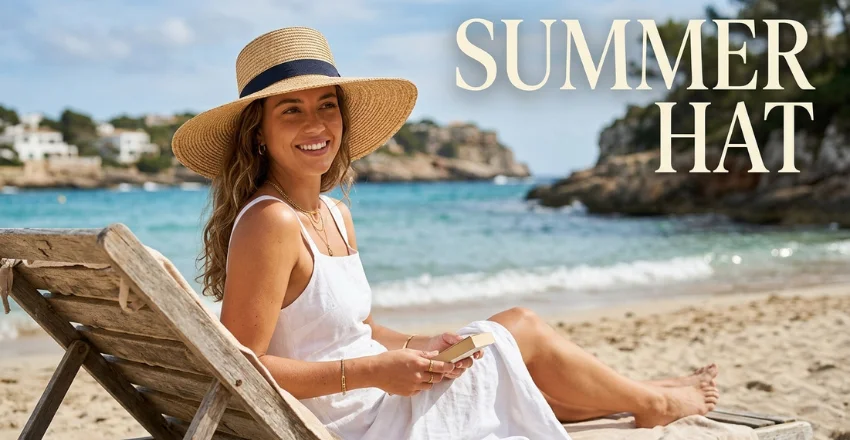
A summer hat can provide useful shade while making warm-weather clothes feel more considered. The right choice depends on where you will wear it, not fashion alone. Brim width, material, fit, and packability all affect how useful a hat feels.
British weather adds another consideration because sunshine can quickly give way to wind or showers. A practical choice should suit your plans without becoming uncomfortable after an hour. This guide explains the main styles and how to choose one for UK summers.
Quick answer: Choose a wide-brimmed style when sun coverage matters most, a bucket hat for casual everyday use, or a Panama for smarter occasions. Look for breathable materials, a secure fit, and enough shade for your activity. Packable construction is also useful for holidays and days out.
Summer Hats at a Glance
| Style | Sun coverage | Best for | Packability | Typical look |
|---|---|---|---|---|
| Wide-brim hat | High | Beach, garden, long outdoor days | Varies | Relaxed to elegant |
| Bucket hat | Medium | Festivals, walks, everyday wear | Excellent | Casual |
| Panama | Medium to high | Weddings, holidays, smart outfits | Varies | Smart |
| Straw hat | Varies by brim | Holidays, garden parties, beach | Varies | Classic summer |
| Boonie hat | High | Hiking, fishing, gardening | Excellent | Practical |
| Baseball cap | Limited | Sport, short casual outings | Excellent | Sporty |
Why Wearing a Hat in Summer Makes Sense
Sun protection matters in Britain as well as on overseas holidays. The NHS warns that skin can burn in the UK, including on cloudy days. It advises considering protection when the UV index reaches three or higher.
The NHS also recommends a wide-brimmed hat that shades the face, neck and ears. A hat should form part of wider sun protection rather than replace it. Shade, suitable clothing, sunglasses and sunscreen remain important during stronger sunshine.
The UK sun is generally strongest between 11 am and 3 pm from March through October. That makes coverage especially important during long lunches, walks, gardening, and outdoor events. Checking the UV index can help you decide how much protection you need.
Which Summer Hat Style Should You Choose?
No single design works best for every situation. Someone attending an outdoor wedding has different needs than someone spending six hours hiking. Start with your activity and expected sun exposure before considering colour or trends.
The best choices also combine comfort with a style you will genuinely wear. A highly protective design offers little value if it stays inside your wardrobe. Consider these popular options before buying.
Wide-Brimmed Hats
A wide brim provides shade around more of your head than a front peak alone. NHS guidance specifically recommends a broad brim that shades your face, neck and ears. This makes the style useful for beaches, gardening and extended periods outdoors.
Wide-brimmed designs range from practical outdoor hats to polished straw versions. Some include chin cords, ventilation panels or UPF-rated fabrics for active use. Fashion-led versions may prioritise appearance, so check the construction before assuming they offer equivalent protection.
Wind can be the main drawback of a large brim in Britain. Look for a secure fit or adjustable cord if you expect exposed conditions. A brim with some structure is also less likely to collapse across your face.
Bucket Hats
Bucket hats combine an informal shape with a brim running around the whole crown. They fold easily, making them convenient for travel, festivals, and everyday bags. Cotton versions can also feel comfortable during warm but changeable British weather.
Coverage depends heavily on the brim’s depth and width. Cambridge University Hospitals recommends bucket hats with a minimum 7.5cm brim for effective sun protection. Smaller fashion designs may provide less shade around the face and neck.
A bucket design works particularly well with casual clothing. Pair it with shorts, relaxed trousers, trainers or a simple summer dress. Neutral shades tend to offer more outfit combinations across the season.
Panama Hats
A genuine Panama hat is traditionally woven in Ecuador from toquilla straw. Its structured crown gives it a smarter appearance than most casual sun hats. It works especially well for garden parties, summer weddings and smarter holidays.
The style usually feels light and breathable because of its woven construction. Brim widths vary, so appearance shouldn’t be your only buying criterion. Choose a broader brim if shade matters.
Avoid crushing a structured Panama into luggage unless its maker describes it as packable. A rigid design can lose its shape during travel. A protective hat box may be worthwhile for expensive or finely woven examples.
Straw Hats
“Straw hat” covers many shapes rather than describing one fixed style. You can find floppy brims, fedoras, boater hats, and oversized beach designs made from woven materials. Their airy appearance makes them a natural match for summer clothing.
Look closely at the weave and construction before buying. Large gaps can allow more direct sunlight through than a close weave. Flexibility and consistent construction also matter when you expect to wear the hat repeatedly.
Straw styles work particularly well with linen, cotton and lightweight dresses. Natural colours create an easy holiday look without demanding careful outfit matching. Dark bands or contrasting trims can make the same shape feel smarter.
Boonie and Outdoor Hats
Boonie hats focus more heavily on practical outdoor use. They often combine a broad brim with lightweight fabric, ventilation, and an adjustable chin cord. Some models also use quick-drying or UPF-rated materials.
These features make them useful for walking, fishing, gardening, and active holidays. They may not suit formal outfits, but function matters more during extended outdoor activity. Packable fabric designs also travel more easily than structured straw hats.
Look for ventilation if you expect warm and humid conditions. A sweatband can improve comfort during longer walks or garden work. An adjustable cord can help on coastal paths and other windy locations.
Baseball Caps
A baseball cap is compact, familiar and easy to wear. Its peak can shade parts of your face and eyes during casual activities. It also packs easily and works well for sport.
Its coverage is more limited than a brimmed design. Cambridge University Hospitals notes that baseball caps do not shade the ears and neck. Sunscreen and other protection therefore become particularly important on exposed areas.
Caps still have a place in a practical summer wardrobe. They suit shorter outings, sport and occasions where a broad brim would get in the way. Choose a breathable fabric and adjustable fit for warm conditions.
How to Choose the Best Summer Hat for Your Needs
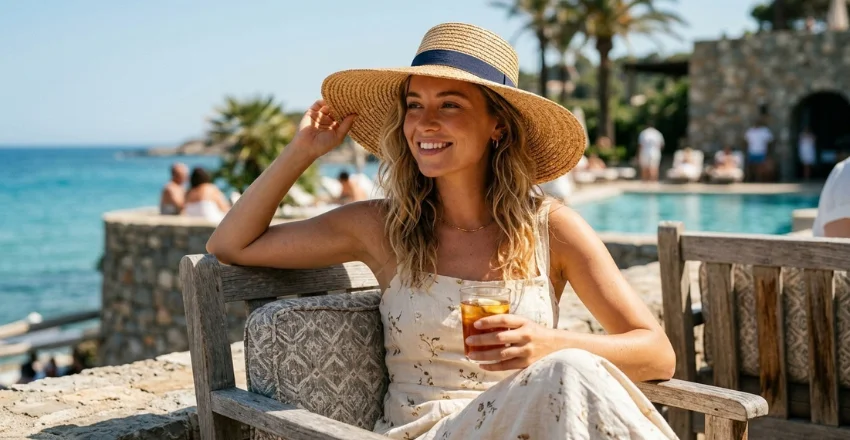
Start by asking how long you expect to remain outdoors. Longer exposure makes brim coverage and comfort more important than decorative details. A short walk through town allows more flexibility.
Next, consider how much direct sunshine your activity involves. A broad brim makes more sense for gardening than an open-sided visor. People hiking or fishing may also value a chin cord and quick-drying material.
Finally, think about how the hat will travel and be stored. A packable bucket or fabric hat can go straight into a day bag. Structured straw designs usually need more careful handling.
Materials: What Works Well in Warm Weather?
Cotton is a versatile choice for bucket hats and casual outdoor designs. It feels soft and comes in different weights. Thicker cotton can become warm, so ventilation still matters.
Linen feels light and suits smart or relaxed summer clothing. Its natural texture also pairs easily with other warm-weather fabrics. Construction still matters because material alone doesn’t determine sun coverage.
Woven straw and similar plant fibres create the classic summer look. Their structure can provide useful shade while allowing some airflow. Check the weave density and care instructions before buying.
Synthetic technical fabrics can suit active outdoor use. They may offer quick drying, low weight, and stated UPF performance. Always check the manufacturer’s specifications rather than assuming every synthetic fabric provides the same protection.
What Does UPF Mean on a Hat?
UPF stands for ultraviolet protection factor. The rating describes how effectively a fabric blocks ultraviolet radiation under specified testing conditions. You will often see it on clothing and hats designed specifically for sun protection.
A stated rating can make comparison easier when protection is a buying priority. Still, coverage depends on the whole design as well as its fabric. A high-rated cap cannot shade your neck if the design leaves it exposed.
You should also continue protecting uncovered skin. The NHS recommends at least SPF30 sunscreen and advises frequent reapplication. A hat is one part of sensible sun protection, not a substitute for sunscreen.
Getting the Fit Right
A comfortable hat should stay secure without creating pressure around your forehead. A loose fit becomes frustrating in windy weather. An excessively tight band can cause discomfort surprisingly quickly.
Measure around your head where the hat will naturally sit. Compare that measurement with the manufacturer’s sizing chart because sizes can vary between brands. Adjustable internal bands are helpful when your measurement falls between sizes.
Try the hat with your normal summer clothes where possible. Crown height and brim width can look different once paired with sunglasses, collars, and shoulder lines. Comfort should remain the deciding factor after appearance.
Choosing a Hat for Different Summer Plans
For the beach, prioritise broad coverage and materials that suit heat and travel. A packable wide-brim design can be easier to manage than a delicate structured hat. Secure straps are useful on breezy coastal days.
For festivals, a bucket style offers an appealing balance between portability and coverage. It can fold into a bag when the weather changes. Washable fabrics are also useful after dusty or muddy weekends.
For weddings and garden parties, Panama and refined straw designs fit smarter dress codes. Readvanta’s black-tie and event style coverage can also help when planning the rest of an occasion outfit. Keep the brim proportionate so it doesn’t look awkward around other guests.
For gardening, prioritise coverage of your face, ears and neck. A practical brim, ventilation and washable fabric can matter more than formal styling. Readvanta’s guide to choosing and applying decking paint offers further ideas for getting outdoor spaces ready for summer.
For travel, choose a design that matches your luggage habits. Crushable or rollable hats remove much of the worry around packing. Readvanta’s Fashion section is a useful starting point for more seasonal style and practical guides.
How to Style a Summer Hat Without Overthinking It
Start with colour rather than complicated face-shape rules. Beige, cream, navy, khaki and black can work with many existing clothes. A versatile shade often gets worn more than a striking design bought for one outfit.
Match the level of formality to your clothes. Panama and structured straw shapes complement tailoring, linen and smarter dresses. Bucket hats and technical styles sit more naturally beside casual or outdoor clothing.
Proportion matters more than following a rigid formula. Consider the brim alongside your shoulders, sunglasses, and neckline. The right shape should frame your outfit without making you feel hidden underneath it.
Common Buying Mistakes to Avoid
Buying for appearance alone is the easiest mistake to make. A beautiful hat becomes frustrating if it overheats, blows away, or cannot survive a journey. Think through where you will wear it before paying.
Do not assume every brimmed design provides the same sun coverage. Brim width, weave, and coverage all make a difference. Check specific product claims when sun protection matters.
Ignoring storage can also shorten a hat’s useful life. Structured designs can become misshapen if crushed inside a suitcase or crowded wardrobe. Follow the manufacturer’s care instructions for cleaning, reshaping, and storage.
Caring for Your Hat
Check the care label before washing any design. Cotton or technical hats may be washable, while structured straw often requires gentler cleaning. Water can permanently change some natural woven materials.
Store structured hats where the crown and brim will not be compressed. A shelf or suitable box is safer than the bottom of a crowded drawer. Make sure the hat is dry before storing it for long periods.
Packable designs still deserve reasonable care. Repeated crushing can weaken brims, trims and stitching over time. Reshape the hat after travelling and allow any moisture to dry before storage.
Is a Summer Hat Enough for Sun Protection?
No hat provides complete sun protection on its own. The NHS advises combining suitable clothing with shade, sunglasses and at least SPF30 sunscreen. It also recommends taking extra care during the strongest part of the day.
Sunburn can happen in Britain even when cloud makes the temperature feel mild. UV strength and air temperature are not the same thing. Checking the UV index is therefore more useful than judging risk from warmth alone.
Use sunscreen on skin that remains exposed around your face, neck and ears. Reapply it according to the product instructions and after swimming or heavy sweating. Seek shade when exposure becomes prolonged.
Frequently Asked Questions
What is the best summer hat for sun protection?
A broad-brimmed design that shades your face, neck and ears provides more coverage than a front peak. The NHS specifically recommends this type of headwear as part of sun protection. Combine it with sunscreen, shade, clothing and suitable sunglasses.
Are bucket hats good for summer?
Bucket hats can be comfortable and practical because they are lightweight and easy to pack. Their level of shade depends on brim width and construction. A broader brim provides more coverage than a small fashion-led design.
Are straw hats suitable for British weather?
Straw designs work well during dry, warm conditions and can feel light in summer. Some natural materials dislike rain and can lose their shape when wet. Check care instructions if you expect changeable weather.
Which hat is best for a summer wedding?
A Panama or refined woven style usually works well with smarter summer clothing. Choose a shape that complements the dress code without obstructing other guests. Outdoor events also make useful shade worth considering.
Can you pack a Panama hat in a suitcase?
Only pack it flat or rolled if its manufacturer says the design is packable. Traditional structured examples can crease or lose their shape when compressed. Carrying a delicate model separately may be safer.
Should I wear sunscreen if I am wearing a hat?
Yes, because a hat does not protect every exposed area or prevent all reflected and indirect UV exposure. NHS advice recommends at least SPF30 sunscreen alongside clothing and shade. Pay particular attention to exposed skin around the face, neck and ears.
Finding the Right Hat for Your Summer
The best choice suits your activities, feels comfortable, and provides the coverage you need. Wide brims suit longer outdoor days, while bucket hats offer convenient everyday portability. Panama and structured straw designs work well when you want a smarter finish.
British summers call for some flexibility, so consider wind, showers and travel alongside sunshine. Check fit and care requirements before buying, especially with structured woven designs. A practical choice should earn its place in your wardrobe across many warm days.
Choose your next hat by starting with function, then narrow the options by style and colour. Pair it with suitable sunscreen, clothing, shade, and sunglasses when UV levels require protection. That approach gives you an accessory that looks good while doing a useful job.