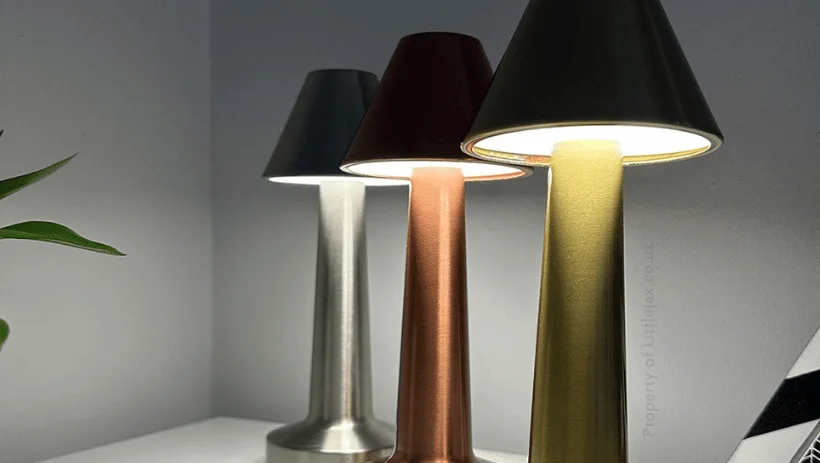
A rechargeable wall light adds useful illumination without permanent mains wiring or a visible power cable. That flexibility suits rented homes, awkward corners, bedside spaces, hallways, and rooms with limited sockets. The best choice depends on brightness, battery performance, mounting method, controls, and where you plan to use it.
Quick answer: Cordless wall lighting works best where convenience and flexible placement matter more than continuous high-output lighting. Look for simple charging, adjustable brightness, a secure removable mount, and clear battery specifications. For bathrooms or outdoor locations, choose a product specifically rated for those conditions.
Key Facts at a Glance
| Feature | What to Look For |
|---|---|
| Power source | Rechargeable integrated or removable battery |
| Charging | USB-C is usually the most convenient option. |
| Mounting | Magnetic plate, screws, adhesive, or removable bracket |
| Brightness | Check lumens rather than relying on wattage. |
| Color temperature | Warm light for relaxation; cooler options for task lighting |
| Controls | Touch, remote, motion sensor, timer, or dimmer |
| Useful locations | Bedrooms, hallways, reading corners, stairs, pictures, and wardrobes |
| Bathroom use | Check the stated IP rating and manufacturer guidance. |
| Outdoor use | Buy a model specifically rated for exterior conditions. |
| Main limitation | Batteries require regular charging. |
Key Takeaways
- Cordless models remove the need for permanent wiring at the chosen position.
- Magnetic removable fittings make charging easier than fixed designs.
- Battery runtime can change considerably with brightness and operating mode.
- Motion sensors suit hallways, stairs, cupboards, and occasional night lighting.
- Decorative models work well for ambience but may not replace strong task lighting.
- Moist or outdoor locations require appropriate product specifications.
What Are Rechargeable Wall Lights?
These fittings are battery-powered lamps designed to mount directly onto a vertical surface. Most use integrated LEDs and charge through a USB connection. They can provide decorative, accent, task, or low-level navigation lighting.
Unlike a conventional hardwired fitting, they do not need a permanent electrical feed at their mounting position. Some models attach to magnetic plates for easy removal and charging. Others use brackets, screws, or adhesive mounting pads.
Current UK retailers offer decorative sconces, picture lights, spotlights, and motion-sensor designs. John Lewis currently lists cordless models with magnetic removal and up to eight hours of stated runtime. Other UK retailers carry entry-level designs alongside more decorative fittings.
How to Choose a Rechargeable Wall Light for Your Home
1. Start With the Job the Light Must Do
Decide whether you need ambience, reading light, picture illumination, or safer movement through a dark area. Decorative models usually prioritize appearance and soft light. Task lighting needs stronger output and useful directional control.
A bedside fitting benefits from dimming and easy controls within reach. Hallway lighting works better with automatic motion activation. Picture lighting needs an even beam and enough width for the artwork below.
2. Check Brightness and Color Temperature
Brightness is easier to compare when a manufacturer publishes a lumen figure. A low-output fitting may create pleasant ambience without lighting an entire room. Higher output matters more for reading, dressing, or practical tasks.
Color temperature also changes how the room feels. Warm white light usually suits bedrooms, lounges, and relaxed evening spaces. Adjustable models offer more flexibility when the same area serves several purposes.
For context, John Lewis lists its Carlita model at 171 lumens and 2700K. Current rechargeable outdoor models at Screwfix include options between 200 and 400 lumens. Those examples show why comparing specifications is more useful than comparing appearance alone.
3. Compare Battery Runtime Carefully
Manufacturers calculate runtime under different brightness settings and operating modes. A headline battery figure therefore needs context before you compare products. Maximum brightness will generally use stored energy faster than a dimmed setting.
John Lewis currently states up to eight hours for its Carlita and Baily cordless fittings. Other products may operate longer when used intermittently or at reduced brightness. Check whether the quoted runtime reflects full brightness or an economy setting.
Consider charging convenience alongside runtime. A lamp that lifts from a magnetic base is easier to recharge regularly. A removable battery can be even more convenient when the fitting sits far from a socket.
4. Choose the Right Mounting Method
Magnetic mounts offer an excellent balance between secure positioning and easy charging. They let you remove the lamp without unscrewing its wall bracket. This arrangement also makes cleaning and repositioning simpler.
Adhesive mounting can appeal to renters, although surface condition matters. Paint, wallpaper, texture, humidity, and adhesive quality can affect how securely pads hold. Check your tenancy terms before drilling or attaching anything that could damage decoration.
Screwed brackets usually provide a more permanent physical fixing. They make sense for heavier decorative fittings or long-term installations. Check the supplied fixings against your actual wall construction before installation.
If you are refreshing the surrounding surface, Readvanta’s limewash paint guide explains how different wall finishes behave. Its radiator pipe cover guide also covers matching smaller room details with surrounding finishes. These choices can help new lighting feel integrated rather than added afterwards.
5. Decide Which Controls Matter
A basic touch switch works well beside a bed or reading chair. Remote controls are useful when fittings sit high or appear in matching pairs. Dimming gives you greater control over both mood and battery use.
Motion sensors make more sense in areas used for short periods. Hallways, cupboards, stair landings, and entrances are typical examples. Automatic activation also reduces unnecessary operating time when nobody needs the light.
Timers and adjustable color settings can be useful extras. They should not outweigh basic performance, secure mounting, and charging convenience. Buy features that match how you will use the fitting.
Cordless Wall Lighting Types Compared
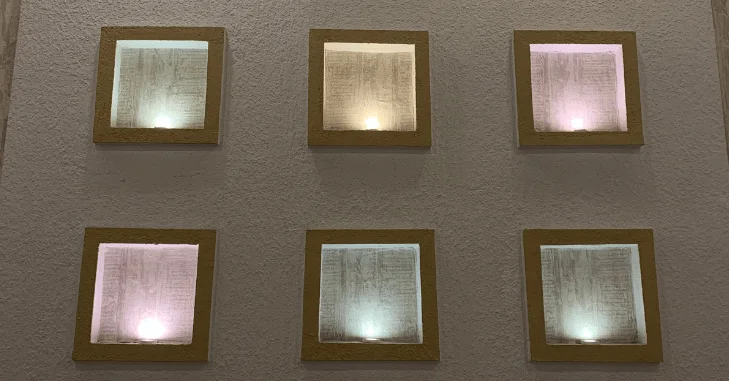
| Type | Best For | Main Advantages | Main Drawbacks |
|---|---|---|---|
| Magnetic dimmable sconce | Bedrooms and lounges | Easy charging, flexible brightness, clean appearance | Requires periodic removal |
| Motion-sensor model | Hallways and stairs | Automatic operation, efficient occasional use | Sensor positioning matters |
| Rechargeable picture light | Artwork and photographs | No cable around artwork, focused beam | Limited general room lighting |
| Decorative shaded fitting | Bedside and living spaces | More traditional appearance | Usually larger and sometimes costlier |
| Outdoor-rated rechargeable fitting | Entrances and patios | Flexible placement outside | Must have suitable weather protection |
Which Type Is the Best Choice?
For most indoor homes, a magnetic dimmable fitting is the most versatile starting point. It combines easy charging with adjustable output and flexible positioning. Motion detection is preferable when the main purpose is navigation rather than decoration.
Choose a dedicated picture model when artwork is the priority. Pick an outdoor-rated fitting for exterior walls rather than moving an indoor model outside. The intended location should determine the specification before style or finish.
Where Do These Lights Work Best?
Bedrooms are one of the strongest applications because permanent bedside wiring is not always available. A pair can create a balanced appearance without cables dropping towards nearby sockets. Dimming also helps reduce excessive brightness during late evening use.
Hallways and stair areas benefit from motion-activated designs. These spaces often need light briefly rather than continuously. Automatic operation can make them more practical during night-time movement.
Living rooms suit decorative models beside artwork, shelving, or reading areas. Consider the wall color and surrounding finishes before selecting brass, black, white, or timber effects. Readvanta’s Home Improvement section contains related decorating and renovation ideas.
Bathrooms require more care because moisture changes the buying decision. A rechargeable battery does not automatically make a fitting suitable for damp locations. Check the manufacturer’s stated IP rating and approved location before installation.
Electrical Safety First advises choosing electrical equipment suitable for the conditions where it will operate. Products near baths or showers require particular attention to moisture and safe positioning. Readvanta’s bathroom wallpaper guide applies the same location-first thinking to wall finishes.
Outdoor installations need products specifically sold for exterior use. Current rechargeable outdoor products at Screwfix include IP44-rated models. Indoor IP20 fittings should not be treated as substitutes for products designed for weather exposure.
How Much Do Rechargeable Wall Lights Cost in the UK?
The UK market covers a wide price range because the category includes simple LEDs and decorative fittings. Current ValueLights listings start below £20 for some models. Lampandlight currently lists several rechargeable designs around £30 to £55.
John Lewis currently lists rechargeable wall fittings around £70 to £100. Specialist decorative suppliers can charge considerably more for premium materials and handmade designs. Price should therefore be compared against construction, output, controls, warranty, and design quality.
A low price is attractive when you need several hallway lights. A more decorative fitting can make sense where it becomes part of the room design. Compare the complete specification rather than using purchase price alone.
Charging and Battery Safety
Rechargeable lighting should be charged according to its manufacturer’s instructions. Use the specified or compatible charging equipment and keep the device uncovered while charging. Stop using any unit that becomes unusually hot, swollen, damaged, or develops a strange smell.
UK government battery guidance advises users not to charge batteries while asleep or away from home. It also advises unplugging chargers after charging completes and avoiding covered battery packs. Those precautions reduce avoidable problems around rechargeable products.
Product quality also matters. The UK Office for Product Safety and Standards recalled a battery-operated wall night light in April 2026. The affected batch could overheat and presented a fire risk.
That recall does not mean rechargeable lighting is inherently unsafe. It does show why recognized retailers, clear manufacturer details, and safety instructions matter. Keep receipts and check official recall information if a product develops unusual behavior.
Rechargeable vs. Hardwired Wall Lighting
| Factor | Rechargeable | Hardwired |
|---|---|---|
| Permanent wiring | Not required at the mounting point | Required |
| Installation flexibility | High | Lower after installation |
| Ongoing charging | Required | No |
| Continuous operation | Limited by battery | Available whenever powered |
| Renter suitability | Often better | Usually involves greater alteration |
| Best use | Accent, bedside, occasional task lighting | Permanent everyday lighting |
Cordless fittings offer flexibility rather than replacing every wired fitting. They suit locations where adding permanent wiring would be inconvenient or unnecessary. Hardwired lighting remains stronger when continuous dependable output is essential.
The choice can also depend on the wider room project. Permanent electrical changes may make sense during a major renovation. A portable battery solution is easier when you want a smaller reversible update.
Frequently Asked Questions
How long does a rechargeable wall light last between charges?
Runtime depends on battery capacity, brightness, control mode, and individual product design. Some current UK decorative models state around eight hours under their specified conditions. Always compare the manufacturer’s test conditions before treating runtime figures as equivalent.
Are cordless wall lights good for renters?
They can be useful because they avoid permanent electrical wiring at the mounting position. Magnetic or suitable removable mounting systems can reduce the scale of alteration. Renters should still check tenancy terms before drilling holes or attaching adhesives.
Can I use one in a bathroom?
Only use a model where the manufacturer confirms suitability for the intended bathroom location. Check the IP rating, moisture exposure, and installation instructions before buying. Do not assume low-voltage battery operation makes every fitting suitable around water.
Are they bright enough for reading?
Some directional models can provide useful reading light when positioned correctly. Look for published lumen output, adjustable direction, and brightness control. Decorative low-output designs may be better for ambience than prolonged reading.
Do rechargeable wall lights need an electrician?
A self-contained battery fitting normally avoids permanent mains wiring at its mounting position. You still need to install its physical bracket correctly and follow its instructions. Permanent electrical alterations should follow applicable UK electrical safety requirements.
Make the Final Choice Around the Room
Start with the location and decide how much light you genuinely need there. Then compare output, battery information, mounting, charging, controls, and environmental rating. Style becomes easier to judge once those practical requirements are settled.
A well-chosen cordless fitting can solve awkward lighting problems without major building work. It can also add useful layers of light to bedrooms, hallways, living areas, and rented spaces. For more household projects, explore Readvanta’s wider home improvement guides before planning the next update.